
Inside the Torrance County Most Wanted Program
Torrance County has no public most-wanted roster. The Sheriff's office posts no names, photos, mugshots, or partner list, and it runs no reward schedule or amnesty program. What it does offer are office contacts and one anonymous tip route. For any later public-safety notice, the Torrance County Sheriff page is the place to watch. A most-wanted page could never settle your own legal standing anyway. Only the issuing court can confirm whether a warrant exists for you.

The Sheriff contact image is an office source only. It is not a roster.
How Torrance County Most Wanted Lists Work
A real most-wanted list is a curated public-safety subset, never a full active-warrant file. It would carry an official publisher, a date, a tip line, and a warning that entries can change. Torrance County publishes none of that. So treat a federal fugitive page as exactly that, federal. The U.S. Marshals District of New Mexico page covers federal fugitives, not a Torrance County roster. Calling it a county list would mislead readers.
Sending a Most Wanted Tip Safely
The Torrance County Sheriff takes anonymous tips at tips@tcnm.us and (505) 510-9003. That line exists for public-safety information. It will not tell you whether a warrant carries your name, hand over a case history, or give legal advice. Your own warrant status belongs with the issuing court, so call the clerk there. Also use common sense with suspects. Never approach anyone, run your own surveillance, or post a name or image online. For emergencies dial 911; Central Dispatch handles non-emergency routing for the Sheriff and local police, though it is not a warrant-status line either.
Safety rule: Share a tip with the official Sheriff channel and let law enforcement decide what action is appropriate.
The Sheriff Tip Route
A tip email or phone call sends information to Torrance County law enforcement. A clerk call and a court search answer a case-status question. Mixing the two up can leak private details or waste a trip to the wrong office.
| Need | Right route | What it can do |
|---|---|---|
| Report a safety concern | Sheriff tip channel or 911 | Receive public-safety information |
| Check your court case | Case Lookup, then issuing clerk | Confirm case and warrant status |
| Ask for a county-held record | County IPRA | Request an existing record with detail |
| Ask about a city citation | Municipal clerk | Route a city court matter |
No Torrance County Roster Was Located
Torrance County posts no public warrant roster. The Sheriff page offers no search field, no update schedule, and no sample listings, and no connected county page fills that gap. No state-run active warrant list exists either. The courts, for their part, provide case lookup rather than a roster of everyone with an outstanding warrant. That absence is not a dead end. A Torrance County warrant check works best through the issuing court and its clerk, who can confirm warrant status directly. A copied list from a private data site would only invite stale or unsupported names, so treat the missing roster as a guardrail rather than a gap.
Most Wanted vs. Active Warrant
An active warrant is a procedural status tied to a court case. A most-wanted notice, when a Torrance County agency publishes one, is a chosen public-safety message. The two can overlap, but one never proves the other. Neither should be read as a complete record of every local case.
| Publisher | Most-wanted program or agency, if one exists. |
|---|---|
| Case confirmation | Issuing court and authorized law-enforcement office. |
| Reader action | Official tip route for information, court call for personal status. |
| Update risk | Any public notice can change; verify with the source. |
Alternatives to a Torrance List
Without a Torrance County list, work through the courts. Search your own case in Case Lookup, apply location filters in re:SearchNM, and call the likely issuing court. A District felony matter goes to the Torrance court at (505) 384-2974 ext. 40. For county traffic or misdemeanor cases, call Moriarty Magistrate Court at (505) 832-4476. City matters belong with the municipal clerk. The Sheriff line at (505) 544-4900 can route a county record question, though a phone call is still not a live warrant confirmation.
A Public Tip and Public Record Differ
IPRA is a records route; a tip is information sent to an agency. Neither replaces a court's answer about a current warrant. The county request form wants your contact details and a record described with reasonable particularity, so it should not be used to fish for a bulk list of private people. File with the Torrance County IPRA form for county-held records. Court-held records go through the New Mexico Courts IPRA route instead.
Federal Fugitive Pages Are Not County Lists
Federal fugitive pages, including the Southwest Investigative Fugitive Team, cover federal work in New Mexico. None of them is a Torrance County warrant list. For a state warrant question, the issuing court and its clerk are the right offices, and federal case questions go to the federal court, PACER, counsel, or the Marshals Service.
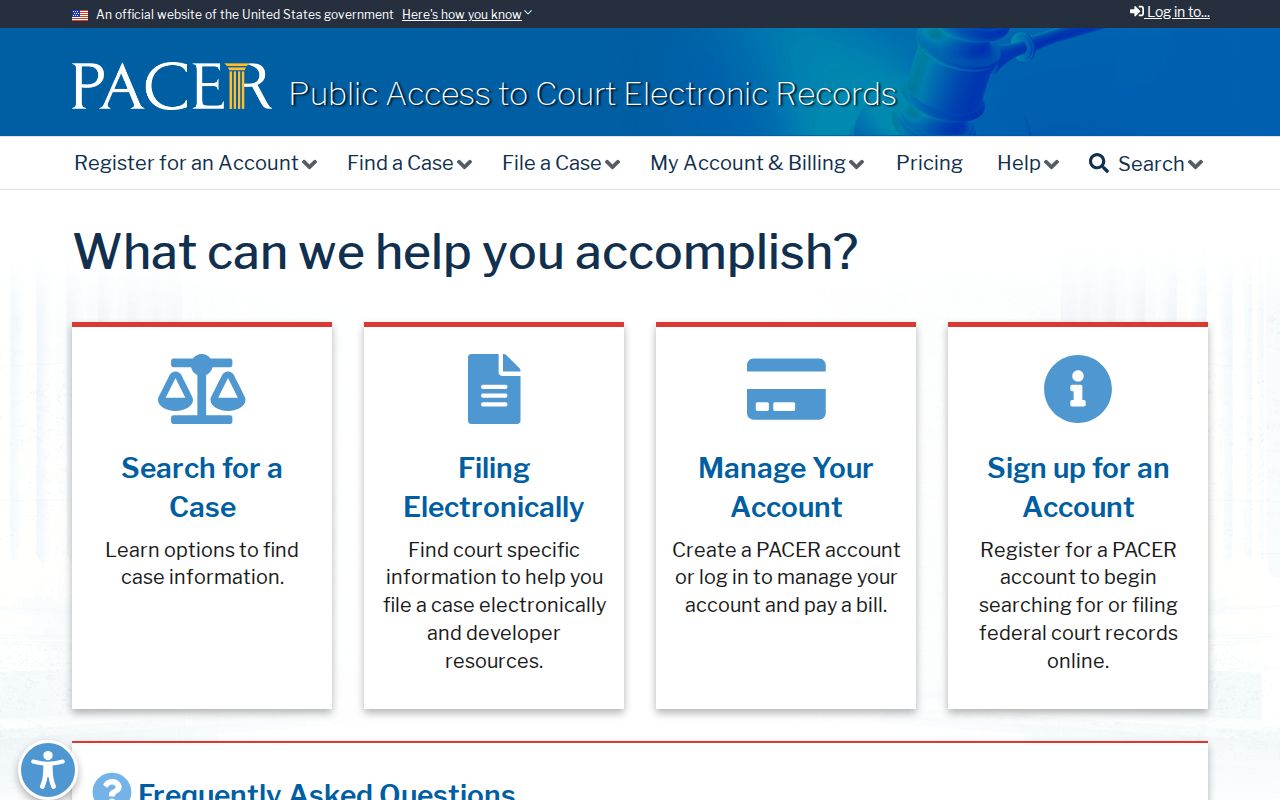
The federal record lookup there belongs to a separate system, not to any Torrance County warrant roster.
How to Check Your Own Case Safely
Before you check, gather your case number, legal name, birth date, and court location. Search the official case tool first. Then call the clerk and ask whether your warrant is still active, whether notice was recorded, whether a new date or first appearance is set, and where bond or a payment belongs. Torrance County callers should also watch for scams. New Mexico Courts warn that courts never call, email, or use bonding companies to demand payment over a jury failure-to-appear warrant, so if someone threatens arrest unless you pay at once, hang up and verify at the court or by calling customer service at 855-268-7804.
Verification: Use the court or Sheriff web domain and a published number, not a number supplied by an unexpected caller.
When You Believe You Are Listed
Torrance County publishes no public warrant roster, so the court is your real starting point, not a private list or a social media post. A clerk there can pull the case file and explain what happens next. Bring a lawyer into it if you can. Counsel can file a motion, arrange an appearance, or work out bond. If a public notice names someone you know, keep your distance. Never approach that person, and never repost a name or photo while checking it. Tips and service belong to the deputies, not to you.
Access Limits on Wanted Information
Not every record is open. Juvenile files, sealed cases, protected information, active investigations, and law-enforcement-only material can all be withheld from the public. IPRA sets a framework for inspection, but it does not grant a right to copy every identifier or to query every internal system. When a request comes back redacted or denied, ask for the legal basis behind that decision. For now, the best public reference is the Torrance County Sheriff's own description and link, paired with court-based steps for checking your own warrant status. An official roster, if one is ever published, should name its agency and carry a date.